
What Kind of Maintenance Does a Garage Door Need?
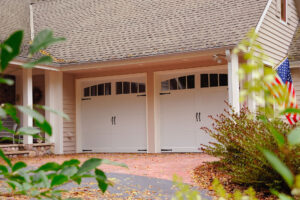
Your garage door is one of the most-used moving parts in your home, often cycling open and closed multiple times a day. Whether you’re rushing out for work, receiving deliveries, or simply storing outdoor gear, your garage door takes on more wear than you may realize. And like any mechanical system, it needs regular attention to keep it working safely, quietly, and efficiently.
If you’re not sure what kind of maintenance your garage door needs—or how often—you’re not alone. Many homeowners overlook basic care until a breakdown happens. At Caliber Garage Doors, we help homeowners across California extend the life of their garage systems with regular maintenance, smart upgrades, and expert service.
Let’s break down what you should be doing, what to look for, and when it’s time to bring in a professional.
How Often Should You Maintain a Garage Door?
As a rule of thumb, a standard residential garage door should be professionally inspected and maintained at least once a year. However, if you use your garage door more than average—say, three to five times a day—you may need maintenance every six months.
Environmental factors matter too. In California, garage doors are exposed to:
- High summer temperatures
- Dry, dusty winds and coastal salt air
- Power fluctuations that can affect openers
- Earthquakes or ground shifting that can knock components out of alignment
Even if your door seems to be working fine, hidden wear can lead to unexpected failure. Routine maintenance not only prevents costly repairs but also keeps your door operating smoothly and safely for years.
Key Components That Need Regular Attention
Here’s a breakdown of the main parts of your garage door system that require ongoing care:
Rollers and Hinges
What to look for:
- Worn edges
- Loose or missing fasteners
- Grinding or squeaking noises
Maintenance tips:
- Lubricate every six months with a silicone-based lubricant
- Replace worn rollers with nylon or steel as needed
Rollers help the door move along the track, while hinges keep everything connected and moving freely. Without proper lubrication or replacement, these components can wear down fast, especially with daily use.
Springs and Cables
What to look for:
- Gaps in springs
- Frayed or rusty cables
- Jerky or uneven door movement
Maintenance tips:
- Never attempt spring or cable repair yourself—these are under extreme tension
- Call a technician immediately if you notice fraying or imbalance
Torsion and extension springs do the heavy lifting. Over time, they weaken, which can make the door feel heavier, strain your opener, or cause complete failure. Cable damage is especially dangerous and should be addressed immediately.
Tracks and Hardware
What to look for:
- Dust or debris in tracks
- Bent sections
- Loose bolts or brackets
Maintenance tips:
- Wipe tracks clean with a dry cloth
- Check for alignment and tighten all hardware
- Don’t lubricate the tracks—it attracts dirt
A misaligned or clogged track can make your door bind, squeal, or stop mid-cycle. Tightening brackets and bolts helps prevent rattling and wear over time.
Weatherstripping
What to look for:
- Cracked, brittle, or missing rubber seal
- Gaps under the door when closed
Maintenance tips:
- Replace weatherstripping annually or as needed
- Helps with insulation, pest control, and dust prevention
Good weatherstripping keeps your garage quieter and cleaner—and helps with energy efficiency if your garage is attached to your home.
Sensors and Safety Systems
What to look for:
- Door reverses unexpectedly
- Opener light blinks
- Sensors misaligned or dirty
Maintenance tips:
- Clean sensors gently with a soft cloth
- Check alignment monthly using the LED indicator lights
All garage door openers sold in California must include a working photo-eye sensor system. These sensors prevent the door from closing on people or objects, and keeping them clean is an easy but vital part of maintenance.
Garage Door Opener
What to look for:
- Delayed or inconsistent response
- Loud motor noise
- Wall switch or remote not working properly
Maintenance tips:
- Check batteries in remotes every 6 months
- Test the backup battery annually (required by California law for newer systems)
- Schedule a diagnostic if your opener seems sluggish or unusually loud
Openers, like the Genie smart models Caliber installs, are the brain of the garage door system. A failing opener puts strain on other components and can leave you locked out when you least expect it.
DIY vs. Professional Maintenance
Some garage door maintenance tasks are safe and easy for homeowners to handle:
Homeowner-friendly tasks:
- Lubricating rollers, hinges, and springs
- Cleaning tracks and sensors
- Checking weather seals
- Testing door balance and auto-reverse
Professional-only tasks:
- Spring and cable repair or replacement
- Opener recalibration and diagnostics
- Full safety inspection and compliance checks
- Door alignment, hardware replacement, and load balancing
At Caliber Garage Doors, our professional tune-up service includes all of the above, plus peace of mind. We know what to look for, carry the right parts, and follow California safety standards.
Seasonal Garage Door Maintenance Tips
California may not have harsh winters like other states, but each season still brings its own challenges. Here’s what to focus on throughout the year:
Spring
- Clean tracks and remove dust buildup
- Inspect for damage after winter rains
- Check spring tension as temperatures rise
Summer
- Lubricate moving parts to reduce heat stress
- Check insulation and seals
- Monitor opener for signs of overheating
Fall
- Remove leaves and debris from around the door
- Schedule a professional inspection before colder mornings return
- Confirm backup battery functionality (especially in wildfire-prone areas)
Winter
- Make sure door closes fully for energy efficiency
- Test auto-reverse and photo sensors
- Listen for strange noises caused by metal contracting in the cold
Signs Your Garage Door Needs Immediate Service
While regular maintenance keeps issues at bay, here are red flags that require immediate attention:
- Garage door sticks, jerks, or reverses suddenly
- Door feels heavier than usual
- You hear loud pops, bangs, or grinding sounds
- Door slams shut or sags on one side
- Opener motor hums but doesn’t move the door
- Visible fraying or break in cables
If any of these symptoms appear, don’t wait. Continuing to use a damaged system can lead to injury or more costly damage.
Caliber’s Maintenance and Tune-Up Services
Caliber Garage Doors offers full-service garage door maintenance for homeowners across Los Angeles, Orange County, and the Inland Empire. Our maintenance appointments include:
- Complete safety inspection
- Spring and cable checks
- Opener diagnostics and battery test
- Lubrication and balance adjustment
- Weatherstripping inspection and recommendations
We also install and maintain smart openers with battery backups to keep you compliant with California’s SB-969 law and prepared for outages or wildfires.
Schedule Garage Door Maintenance with Caliber Garage Doors
Preventative maintenance is the key to extending the life of your garage door and avoiding costly, inconvenient breakdowns. Whether it’s been years since your last tune-up or you’re hearing strange noises when you open the door, Caliber Garage Doors is here to help.
Call today or book online to schedule your professional garage door maintenance. We offer one-time service, maintenance plans, and emergency repair throughout Southern California—all backed by decades of experience, warranty protection, and clean, reliable work.