
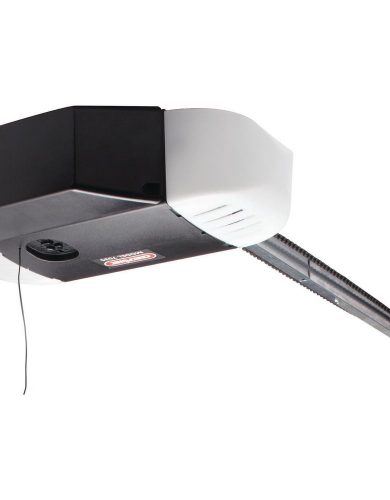
Your garage door opener works harder than almost any other mechanical system in your home. Between school runs, grocery trips, and everyday comings and goings, most openers cycle open and closed several times a day without a second thought until something goes wrong. A garage door opener tune up is one of the simplest ways to avoid that surprise, but timing matters. Knowing when to schedule one can mean the difference between a quick, affordable service call and an unexpected breakdown.
At Caliber Garage Doors, we’ve spent over 25 years helping Southern California homeowners keep their garage door systems running smoothly. Here’s what you need to know about when and why to schedule your next garage door opener tune up.
What Is a Garage Door Opener Tune Up?
A garage door opener tune up is a professional inspection and adjustment service focused on the mechanical and electronic components that make your opener run safely and efficiently. This typically includes testing the motor’s performance, checking safety sensors, inspecting the drive system (chain, belt, or screw), and confirming that battery backup systems and smart home connections are functioning correctly.
Unlike a full garage door repair, a tune up is preventative. It’s designed to catch small issues, such as a misaligned sensor, a slipping chain, or a weakening battery, before they turn into an opener that won’t respond at all.
The Best Time for a Garage Door Opener Tune Up
Once a Year, as a Rule
For most households, an annual tune up is the sweet spot. This matches the same timeline recommended for full garage door maintenance: scheduling service once a year helps prevent unexpected breakdowns, extends the life of your components, and keeps repair costs down over time.
An annual visit gives a technician the chance to catch wear before it becomes a failure. Since your opener is used daily, small amounts of strain add up quickly, and a yearly check keeps that wear from compounding into a bigger problem.
Before Seasonal Temperature Swings
Southern California doesn’t deal with harsh winters, but it does see real seasonal shifts — hot, dry summers and cooler, wetter stretches in winter. Temperature and humidity changes affect lubrication, metal components, and weather seals. Scheduling a tune up before the seasons change, particularly heading into the hotter months, helps your opener and door handle the shift without added strain.
Rainy periods in particular can expose weather sealing issues around the door, which is why a pre-season check is a smart addition to your annual routine, not a replacement for it.
When You Notice Early Warning Signs
You don’t have to wait for your scheduled maintenance date if your opener is already showing signs of trouble. Consider booking a tune up sooner if you notice:
- The door opening or closing slower than usual
- Grinding, squeaking, or unusual noises during operation
- The opener running but the door not moving
- The door reversing unexpectedly or not closing all the way
- Delayed response when using your remote, wall button, or smart app
These symptoms often point to an issue that a tune up can catch and correct before it turns into a full repair.
Before Selling or Moving Into a Home
If you’re preparing to sell your home or just moved into a new one, a garage door opener tune up is worth adding to your checklist. It gives you (or a future buyer) documentation of the system’s condition, and it ensures you’re not inheriting — or leaving behind — a hidden problem.
After a Storm or Extended Time Away
If your area has recently experienced heavy rain or wind, or if your home has sat unused for a while, it’s worth having your opener checked. Moisture, debris, and inactivity can all affect how smoothly the system runs when you need it again.
What Happens During a Professional Tune Up
When you schedule a tune up with Caliber Garage Doors, our technicians follow a systematic process to make sure nothing is overlooked. This includes:
- Inspecting mechanical components — checking high-stress areas like springs, cables, and tracks that affect how the opener performs.
- Testing electronic components, including remote controls, wall buttons, motion detectors, safety sensors, smart home integrations, and battery backup systems.
- Lubricating moving parts with commercial-grade lubricants that last longer and perform better than typical consumer products.
- Adjusting spring tension and safety sensor alignment to prevent premature wear and keep the system operating safely.
- Providing a detailed report of findings and recommendations, which can also help you stay compliant with warranty requirements.
This kind of thorough, documented approach is part of a broader 21-point inspection checklist we use for garage door maintenance, ensuring both the opener and the door itself are working in sync.
Why Regular Tune Ups Matter More Than You Think
Skipping routine maintenance might not cause a problem right away, but small issues can compound over time. A worn component, a misaligned sensor, or a battery nearing the end of its life can eventually bring your opener to a halt, usually at an inconvenient time.
Routine tune ups offer a few clear benefits:
- Fewer unexpected breakdowns. Catching wear early prevents your opener from failing without warning.
- Longer equipment lifespan. Regular lubrication and adjustment reduce the strain that shortens a system’s life.
- Lower long-term costs. Addressing small issues during a tune up is almost always less expensive than an emergency repair.
- Improved safety. Testing safety sensors and battery backup systems ensures your opener performs correctly, which matters especially for openers required to meet California SB-969 battery backup compliance.
- Quieter, smoother operation. A well-maintained opener runs with less noise and less resistance.
Professional Tune Up vs. DIY: What Homeowners Should Know
It’s tempting to handle opener maintenance yourself, and there’s nothing wrong with basic visual checks between professional visits. Looking for loose hardware, listening for new noises, or wiping down tracks monthly can help you stay aware of your system’s condition.
That said, a professional tune up goes further than most homeowners can safely replicate. Technicians use specialized diagnostic tools to pinpoint failure points that aren’t visible during a casual inspection, and they use commercial-grade lubricants formulated specifically for garage door components, which typically outperform consumer options by a wide margin. Spring tension adjustments and sensor alignment, in particular, are best left to trained technicians because springs carry significant tension and can be dangerous to handle without the right experience.
Frequently Asked Questions
How often should I get my garage door opener tuned up? Most homeowners should schedule a professional tune up once a year. This annual rhythm helps catch wear before it leads to a breakdown and keeps your system running efficiently.
How do I know if my garage door opener needs a tune up? Warning signs include slower operation, unusual noise, delayed response to remotes or apps, the opener running without moving the door, or the door reversing unexpectedly. If you notice any of these, it’s a good idea to schedule service rather than wait.
Is a garage door opener tune up different from a repair? Yes. A tune up is a preventative service that inspects, adjusts, and lubricates components to keep your system running well. A repair addresses a specific problem, like a broken spring, snapped cable, or malfunctioning sensor, that’s already affecting performance.
Can I do a garage door opener tune up myself? Basic visual checks, like looking for loose hardware or listening for new sounds, are fine for homeowners to do between professional visits. However, tasks involving spring tension, sensor alignment, and diagnostic testing are best handled by a trained technician, both for safety and for long-term performance.
Does the season affect when I should schedule maintenance? It can help to schedule a tune up before major seasonal shifts, particularly heading into summer heat or after a rainy stretch, since temperature and moisture changes affect lubrication and weather sealing.
Schedule Your Garage Door Opener Tune Up Today
Whether your opener is showing early warning signs or it’s simply been a year since your last check, a professional tune up is one of the easiest ways to protect your investment and avoid inconvenient breakdowns. Caliber Garage Doors has provided reliable, honest garage door maintenance to Southern California homeowners for over 25 years, and our technicians are licensed, insured, and never subcontracted.
If it’s time for your garage door opener tune up, call Caliber Garage Doors at (800) 615-4115 or reach out through our website to schedule your appointment. We’ll help keep your garage door system running safely, quietly, and reliably for years to come.